Supporting Ontario's Dairy Sector
Delivering tested solutions for Ontario's dairy farmers and processors
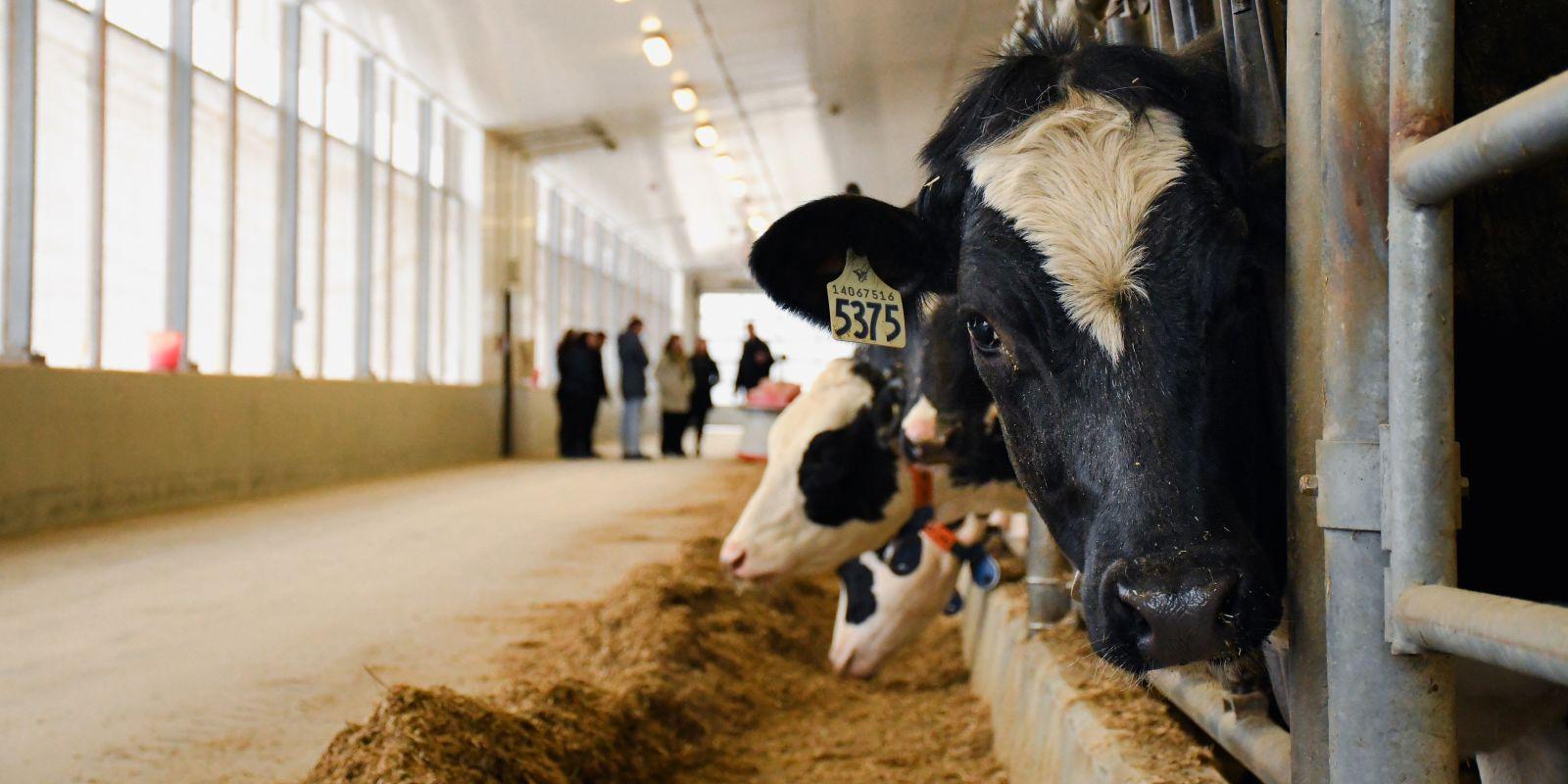
The Ontario Agri-Food Innovation Alliance delivers world-class laboratory testing, specialized training and strategic investments in research to help keep the dairy sector resilient and prosperous.
The University of Guelph's extensive research expertise in dairy includes animal health and welfare, genetics and genomics, food safety, economics, sustainability, technology and more.
Partners: Working together for a strong, sustainable sector
The Alliance brings together government, academia and industry for a strong, sustainable dairy sector. Partners include:
Dairy Farmers of Ontario (DFO)
Dairy Farmers of Canada (DFC)
Livestock Research Innovation Corporation (LRIC)
Industry partners such as Lactanet
- Agribusinesses such as those specializing in animal health, nutrition, genetics, feed and ingredients
Making an impact

U of G invention saving cows, pigs and poultry from deadly diseases
Dr. Bonnie Mallard
Mallard developed high immune response (HIR™) technology, which is licensed to Semex in Guelph and led to the creation of Immunity+® semen. Immunity+ offspring grow faster and live longer, saving farmers hundreds of dollars per animal per year. It could also be key against avian flu.
Securing the future of farming
Dr. Ali Dehghantanha
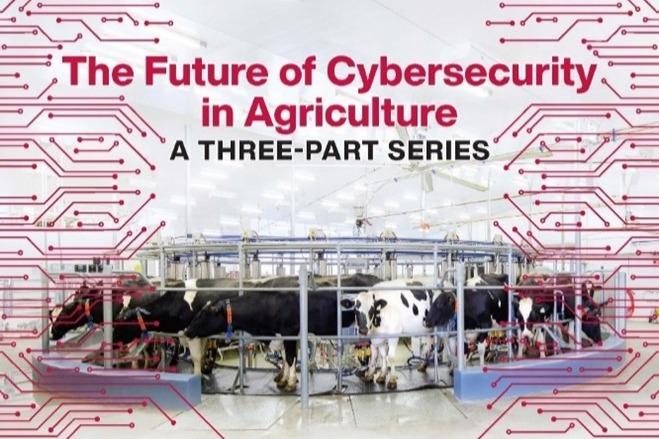
As farms increasingly rely on new technology like smart systems that control everything from barn temperature to milking robots, cybercriminals see producers as easy prey. Following a series of dairy-sector events, Dehghantanha and his team are developing tools to secure the sector’s digital infrastructure.
Early life nutrition key to raising better “beef on dairy” animals
Dr. Michael Steele
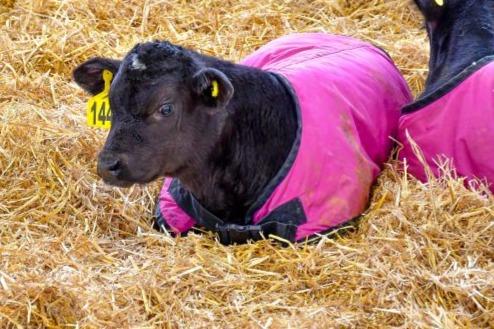
Crossbred animals now make up about 10 per cent of the animals in Canadian feedlots. Young dairy calves notoriously have high morbidity and mortality as well as low immune status and require higher levels of antibiotics. Steele is midway into a six-year project to find better ways to rear crossbred calves.
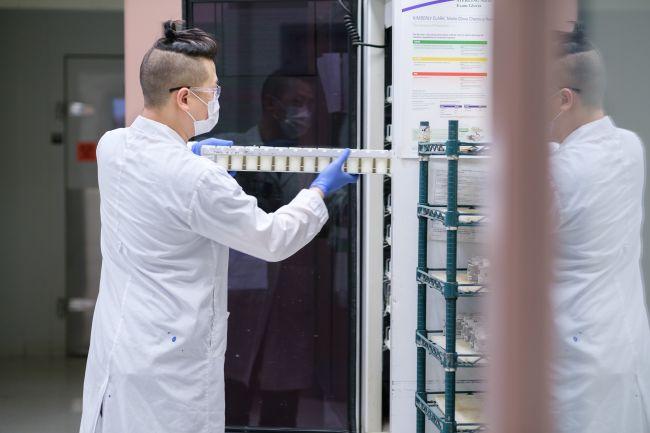
Enhanced lab services boosts on-farm quality control
Agriculture and Food Laboratory
Raw milk testing moved from five to seven days a week for Ontario dairy farmers. Producers will see results more frequently and test results will now be posted on weekends as well, thanks to an extended lab schedule at U of G's Agriculture and Food Laboratory.

Rethinking calf transport for better health and growth
Dr. David Renaud
The U of G veterinarian's research highlights how careful planning before, during and after transport can significantly improve calf health, reduce disease and support long-term growth.
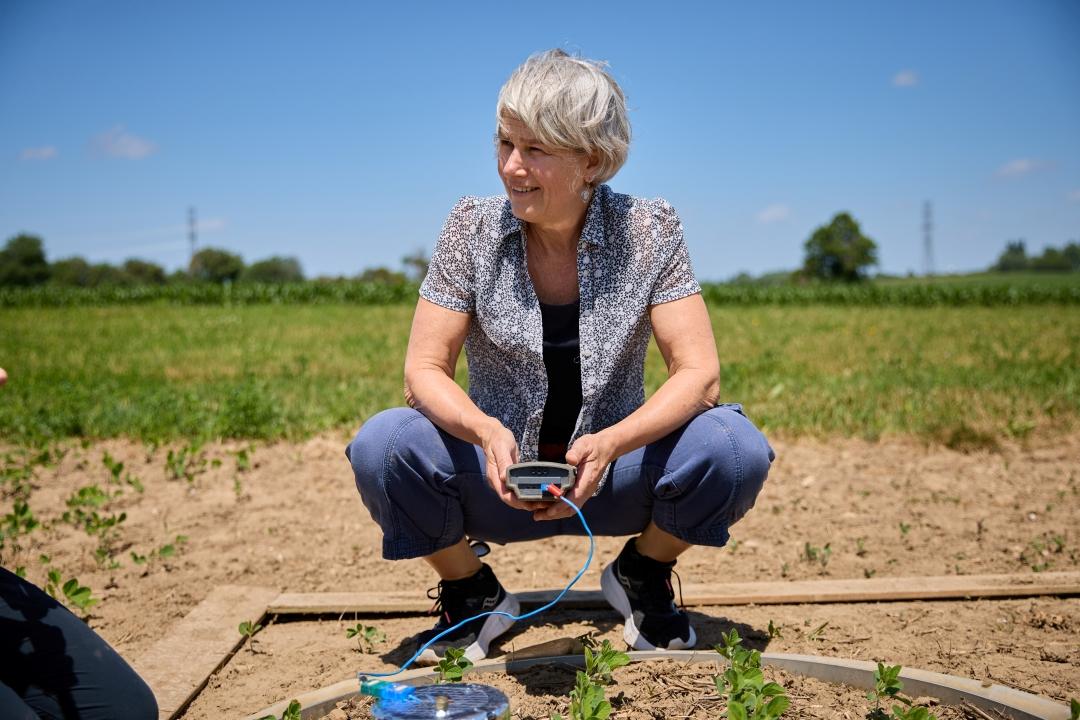
U of G research guides lower carbon footprint for Canadian dairy sector
Dr. Claudia Wagner-Riddle
Canadian dairy farmers are lowering their carbon footprint and making money thanks in part to more efficient management practices developed by a U of G researcher. Over a decade, research in environmental stewardship has helped Canadian dairy farmers reduce greenhouse gas (GHG) emissions by seven per cent.
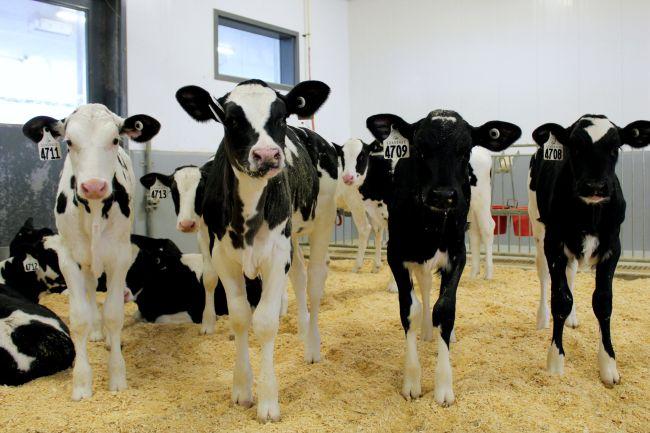
Disbudding and dehorning
Dr. Todd Duffield and Dr. Charlotte Winder
Duffield and his team developed a best practice recommendation for disbudding in young dairy calves that drove a policy change by the Dairy Farmers of Canada as part of its proAction Animal Care module. Duffield and Winder developed online training for producers funding and support from Saputo and Dairy Farmers of Ontario.
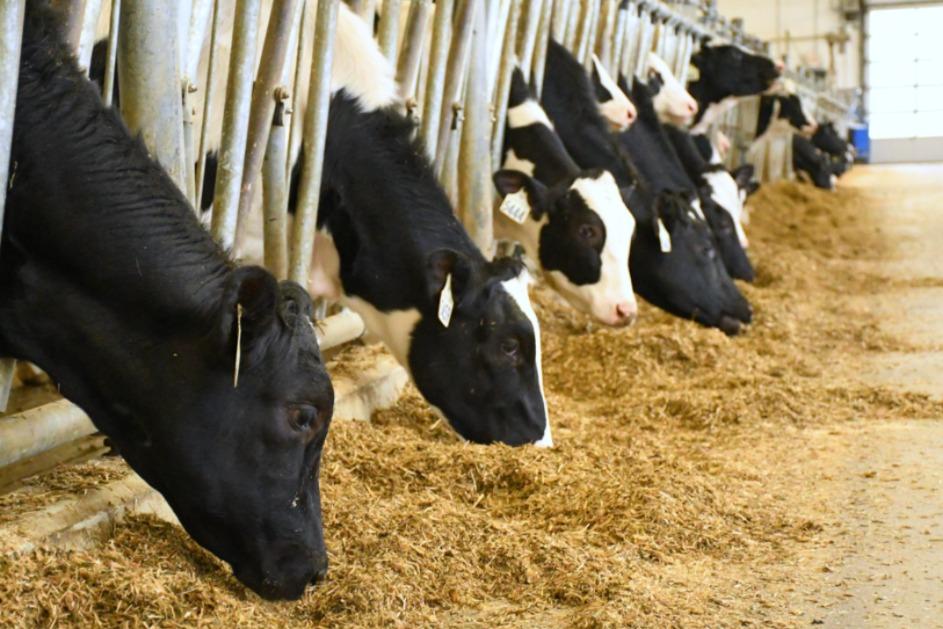
Beefing up dairy cull cows could deliver a 2:1 return for producers
Dr. Todd Duffield
The value and welfare of cull or "market" cows can be improved by drying them off and feeding them for about 60 days before processing, according to the research of two master's students. These improvements could translate into better meat quality and a potential 2:1 return for producers.
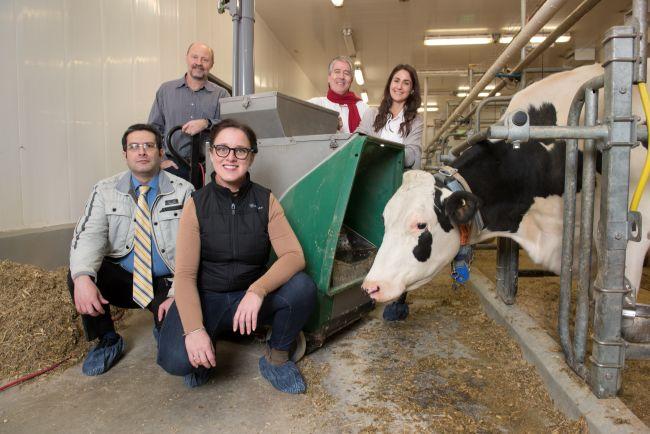
Lower-burp cows to be bred with world-leading methods
Dr. Christine Baes, Dr. Flavio Schenkel and Dr. Saeed Shadpour with Dr. Filippo Miglior (Lactanet Canada) and Dr. Francesca Malchiodi (Semex)
The first national genetic evaluation in the world to help select low-methane dairy cows – an advance based on U of G research – is expected to help reduce those farm greenhouse gas emissions without affecting milk production.
Additional services and resources
In the news
- Ag Proud: From Byproduct to Breakthrough: Rethinking Dairy Cow Diets to Promote a Circular Economy (Mar. 2026)
- Thunder Bay Chronicle Journal: Immunity Through Select Breeding Saves Farmers Money, University Says (Jan. 2026)
- Farms.com: U of G Invention Saving Cows, Pigs and Poultry from Deadly Diseases (Jan. 2026)
- Farmtario: Fluids, Managed Antibiotics are Dairy Calf Diarrhea Best Practices (Dec. 2025)
- Farmtario: Separated Dairy Processing Waste Can Be Used in Cow Diets (Dec. 2025)
- Farmtario: Lactanet Turns Methane Expertise into Business Opportunity (Nov. 2025)
- Farmtario: Living Lab Helps Farmers Optimize Sustainable Nitrogen Use (Oct. 2025)
- The Cattle Site: Smart Calf Rearing Conf.: Unlocking the power of colostrum – new research challenges old rules (Sept. 2025)
- Dairy Herd Management: Water: The Overlooked Nutrient in Dairy Farming (Sept. 2025)
- Farmtario: Knowledge Gaps Limit Dairy-Beef Production Profitability (April 2025)
- Milk Producer Magazine: Getting it Right: Use the Goldilocks Approach for Milk Temperature to Reduce Free Fatty Acids (March 2025)
- Livestock Research and Innovation Corporation: Reducing Your Farm's Cybersecurity Risks: U of G Offers Cyber Security Monitoring Service for Farmers (Nov. 2024)
- Milk Producer Magazine: Canada’s Plan for Net-Zero Dairy Genetics (June 2024)
- Farmtario: Moisture Management is Key in Compost-Pack Barns (May 2024)
- Milk Producer Magazine: Future-Focused Research to On-Farm Inspiration (April 2024)
- Farmtario: Methane Breeding Tool’s Developers Look to Long-Term Adoption (Nov. 2023)
- Farmtario: Dairy Farmer Eager to See Results of Low-Methane Breeding Decisions (Sept. 2023)
- Livestock Research Innovation Corporation: Dairy Farmers Support Research Into Ag Plastic Alternatives (summer 2023)