Supporting Ontario's Beef Sector
Delivering solutions for Ontario beef producers
The Ontario Agri-Food Innovation Alliance is committed to delivering real, on-farm and value-chain impacts for Ontario’s beef sector. Alliance-funded research, laboratory services and capacity-building address current and future sector challenges.
The Alliance leverages University of Guelph’s research expertise in beef, including animal health and welfare, genetics and genomics, animal feed and nutrition, management and technology, and pasture.
On-farm benefits from Alliance investment include productive, healthy herds, improved growth and efficiency, prosperous businesses and sustainable beef production.
Partners: Working together for a strong, sustainable sector
The Alliance brings together government, academia and industry for a strong, sustainable beef sector. Partners include:
- Beef Farmers of Ontario
- Beef research organizations, like Beef Cattle Research Council
- Agribusinesses, such as those specializing in animal nutrition and ingredients
- Livestock Research Innovation Corporation (LRIC)
Making an impact
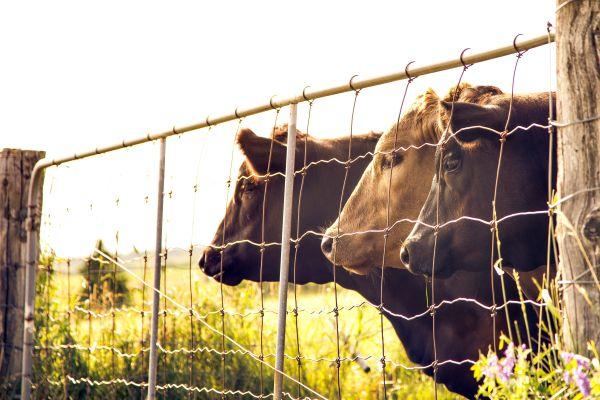
Linking Feed Efficiency and Methane Reduction
Dr. Katie Wood and Dr. Christine Baes
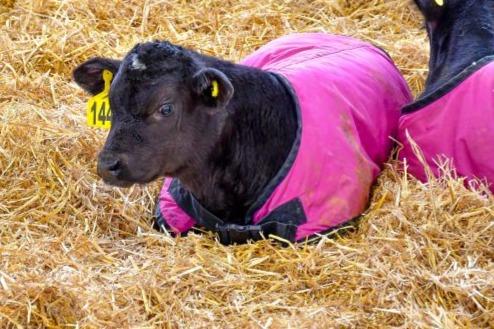
Early life nutrition key to raising better “beef on dairy” animals
Dr. Michael Steele
Crossbred animals now make up about 10 per cent of the animals in Canadian feedlots. Young dairy calves notoriously have high morbidity and mortality and require higher levels of antibiotics. Steele is midway into a six-year project to support animal welfare and address Canada’s historically low beef herd.
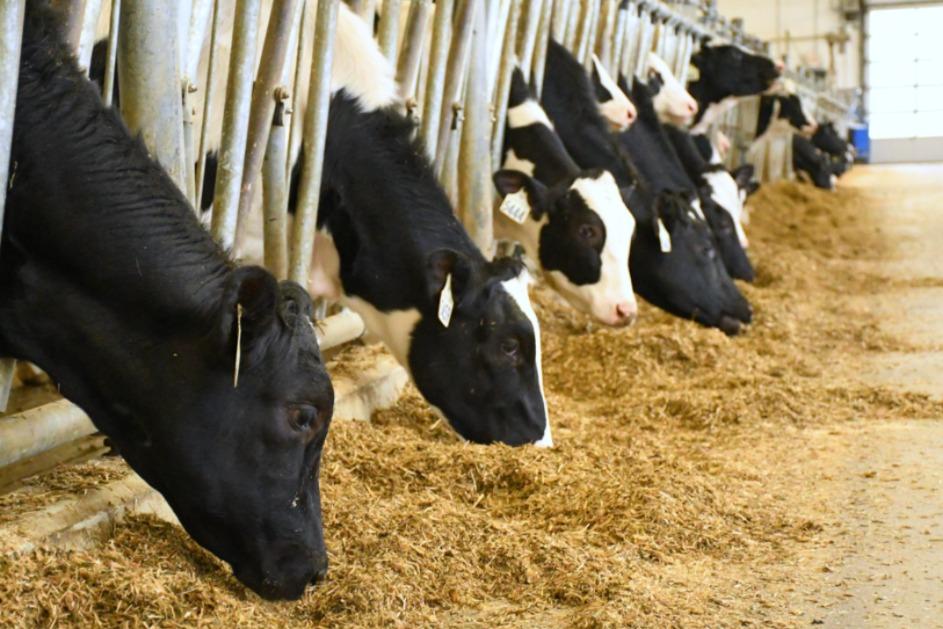
Culled dairy cows could deliver better meat quality
Dr. Todd Duffield
The value and welfare of cull or "market" cows can be improved by drying them off and continuing to feed them for about 60 days before processing, according to the research of two master's students. These improvements could translate into better meat quality.
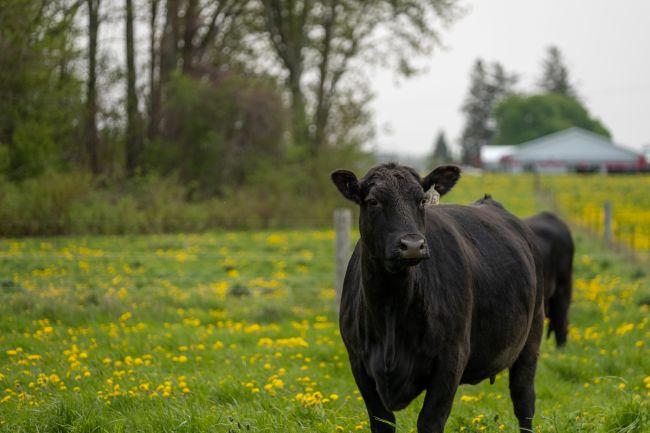
Pasture research aims to boost efficiency, lowers costs
Dr. Kim Schneider, Dr. Eric Lyons and Dr. Ira Mandell
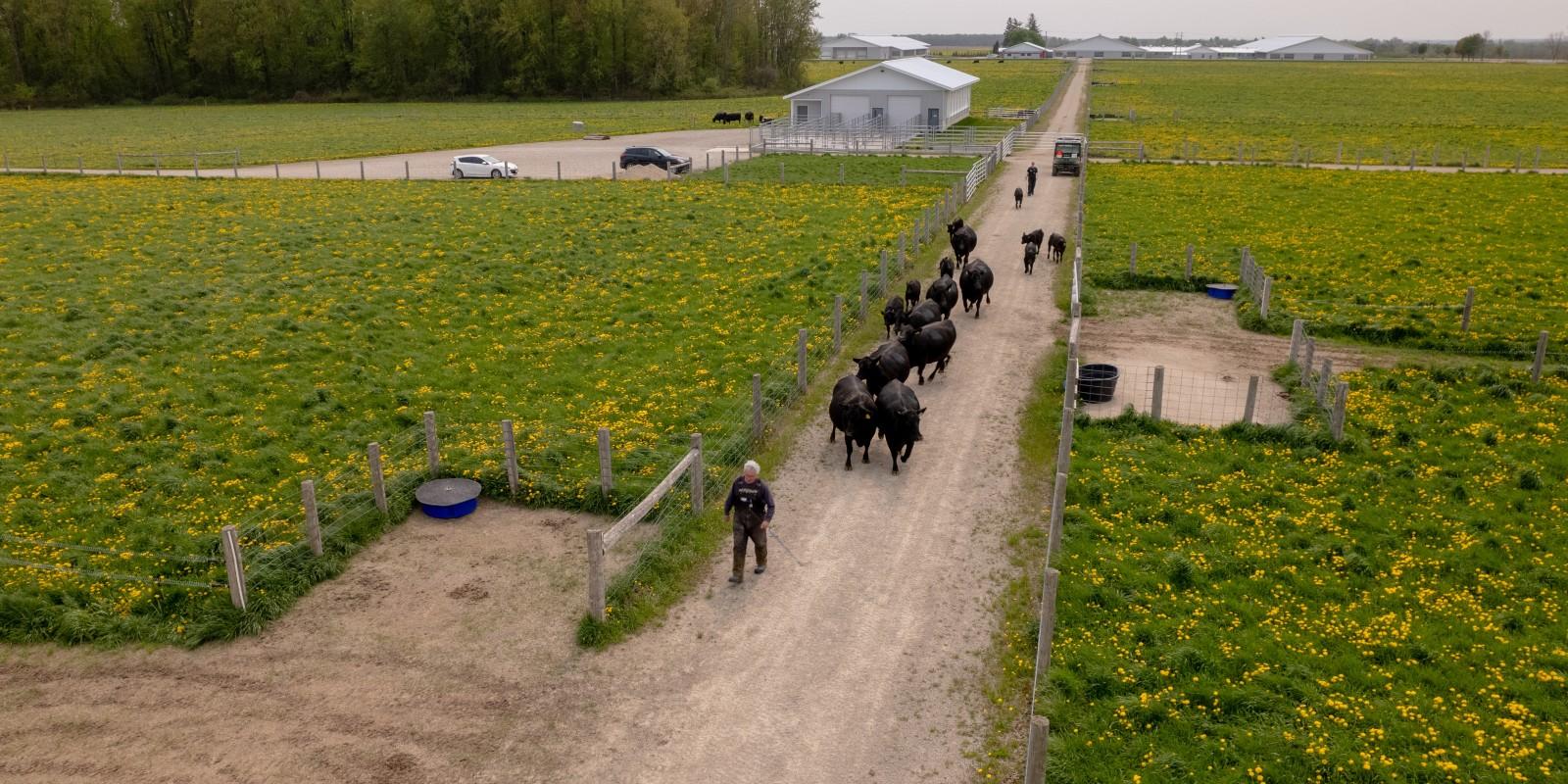
Research at the Ontario Beef Research Centre in Elora tests grazing methods and forage mixes to cut feed costs, improve pasture quality, extend grazing seasons and improve soil health.
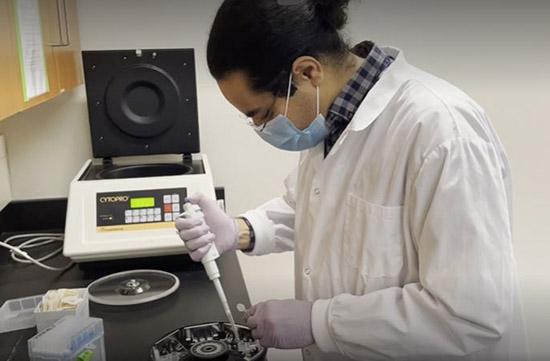
Understanding inflammation in Bovine Respiratory Disease (BRD)
Dr. Saeid Tabatabaei
PhD candidate Tabatabaei aims to improve the current understandings of dysregulated inflammation and its role in BRD, could help in designing future approaches to prevent or treat BRD without the use of antibiotics.
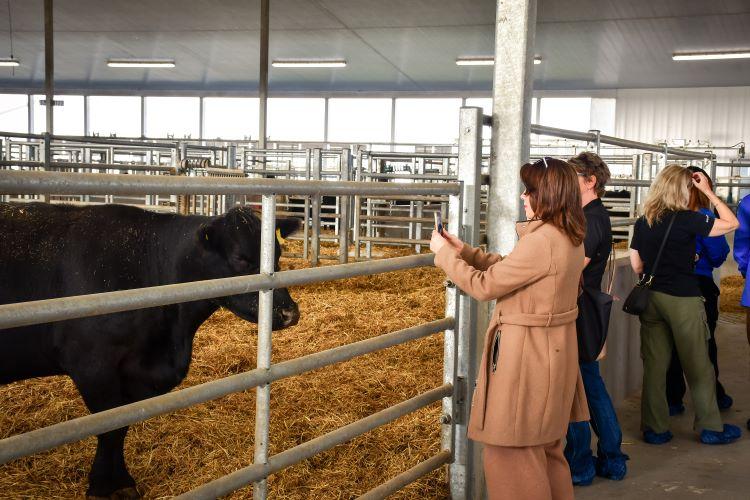
Increasing student chefs’ confidence in Canadian beef
Dr. Katie Wood with Canada Beef, Taste Canada and Canadian Food Focus
Culinary students and influencers gained farm-to-fork production knowledge of Canada’s world-class beef production system through a unique field trip to the Ontario Beef Research Centre in Elora.
Investigating dosing regimens for castration pain control
Mariah Crevier
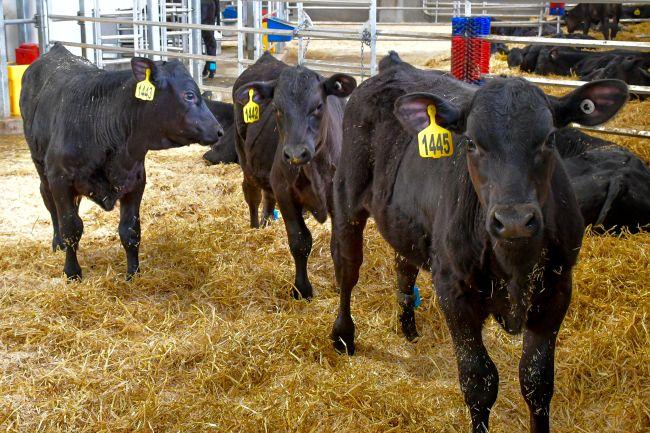
The master's student study at the Ontario Beef Research Centre found that young calves show more pain responses when not treated with pain control at castration. There was no impact on average daily gain by mitigating the pain.
Additional services and resources
In the news
- Canadian Cattlemen: Rotational Grazing Shows Gains in Guelph Cattle Research (Aug. 2026)
- Farmtario: Beef Research Centre’s Collaborations Deliver Bottom-Line Benefits (June 2026)
- Farmtario: Researchers Tie Intensive Grazing to Improved Soil Health (Jan. 2026)
- The Cattle Site: Smart Calf Rearing Conference: Unlocking the Power of Colostrum – New Research Challenges Old Rules (Jan. 2026)
- Farmtario: Researchers Tie Intensive Grazing to Improved Soil Health (Farmtario, Jan. 2026)
- Farmtario: Knowledge Gaps Limit Dairy-Beef Production Profitability (Apr. 2025)
- Farms.com: Insights from Kim Schneider on Grazing Cover Crops (Nov. 2024)
- Canadian Cattlemen: Annual Forages Can Extend the Grazing Season (Oct. 2024)
- The Western Producer: Pain Control Aids Calves at Castration (June 2024)
- Farms.com: Canadian Cattle Young Leaders Travel to Ontario for Annual Spring Forum (June 2024)