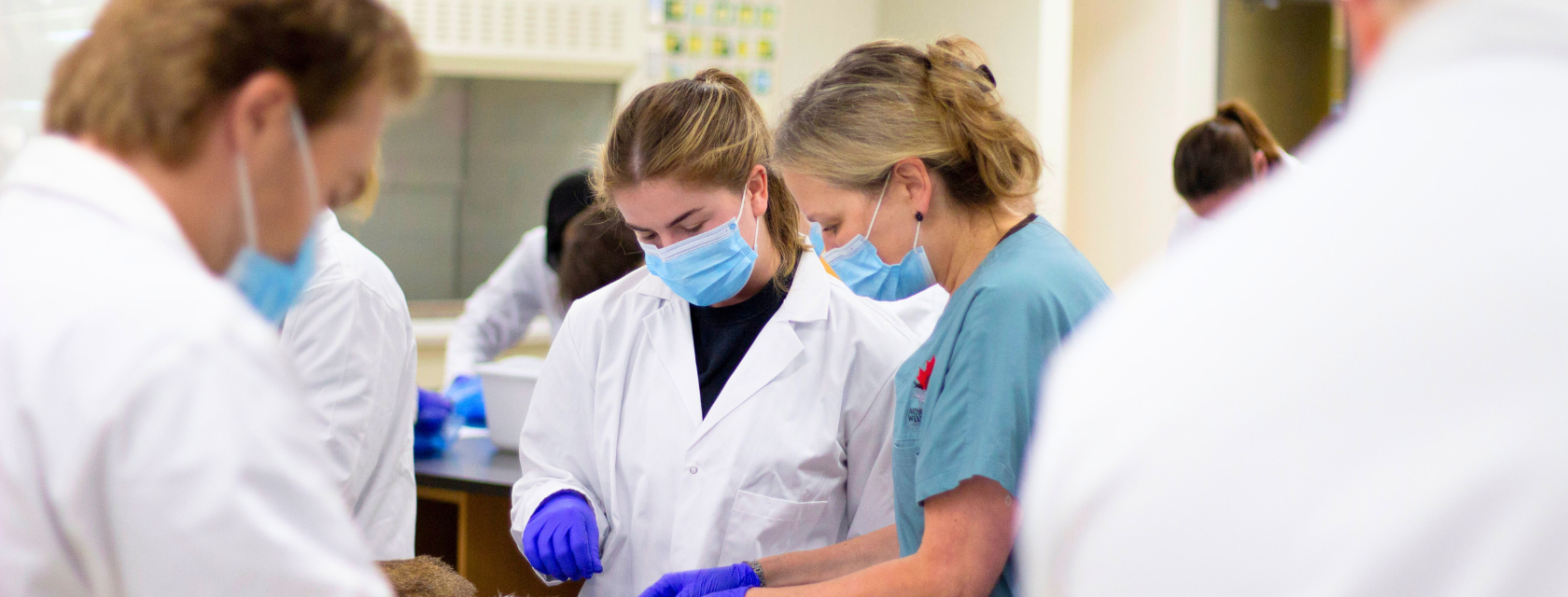
Course-Based Master's Degrees
Are you looking to advance your knowledge in a particular field and fast-track your career? Are you seeking practical skills that can be directly applied in the workplace to make an impact in the world? If so, consider a one-year (three-semester) course-based master’s program after you complete your undergraduate degree.
The College of Biological Science at the University of Guelph offers several course-based master’s that can help you take your education and career to the next level.
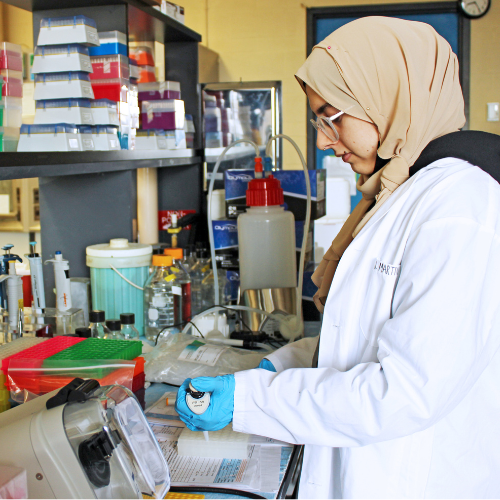
What is a Course-Based Master’s?
A course-based master’s degree is a graduate program focused on the professional application of knowledge and skills in a particular field of study.
Students in a course-based master’s complete their degree primarily through coursework — taking a combination of core and elective courses — and may have the opportunity to undertake a one-semester* research project or placement. Many programs offer the opportunity to work directly with a partner organization in the field, therefore providing students with practical and concrete hands-on experience. Course-based master’s aim to provide immediately applicable knowledge and skills, so graduates can join the workforce, make an impact, and advance their careers in their chosen sector.
A course-based master’s is different from a thesis-based master’s, where the focus is on independent research and the generation of evidence-based knowledge that contributes to the field of study.
*Where research projects are possible, you may have the option to extend your project an additional semester, extending the total program duration to four semesters.
- Complete your degree
- in as few as 3 semesters
- Gain hands-on experience
- for your future career
- Build your network
- both within and outside academia
- Acquire skills & knowledge
- for your chosen field
- Pursue your interests
- in a cost-effective way
- No advisor needed
- to apply to most programs
Course-Based Master's Degrees
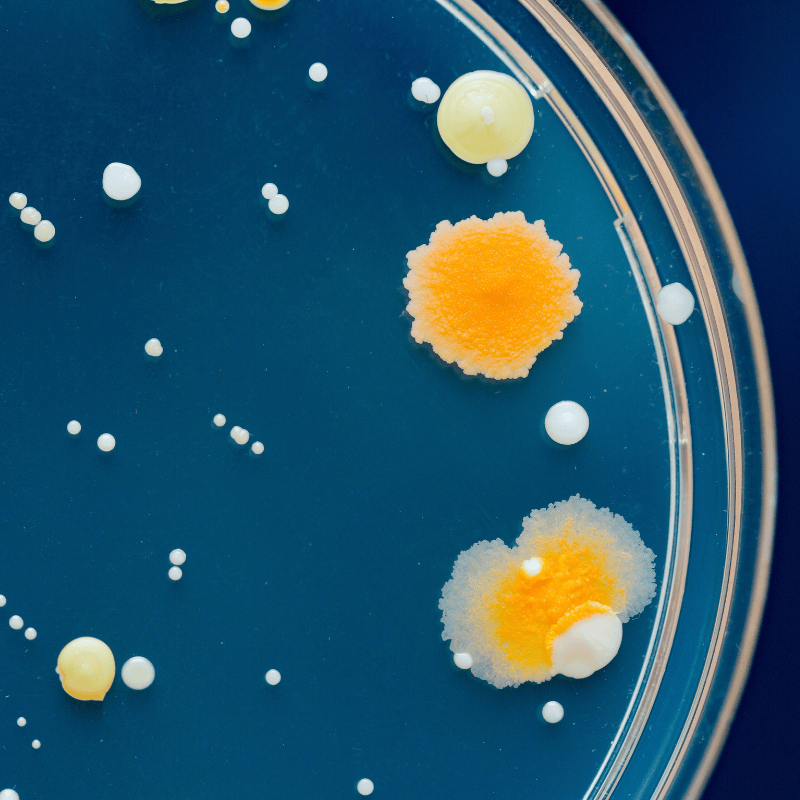
Master of Applied Molecular and Health Sciences
A first-of-its-kind in Canada, the Master of Applied Molecular and Health Sciences is a one-year, course-based graduate program that blends advanced molecular biology with emerging fields, such as AI-driven drug discovery, immunology, and stem cell research models.

Master of Medical Foundations
The Master of Medical Foundations is an 11-month, course-based graduate program providing both theoretical and practical training in human anatomy, multisystem physiology, and disease and immunology, with a focus on the role of lifestyle medicine and social dimensions of health and wellbeing.

Master of Bioinformatics
The Master of Bioinformatics program is a three-semester course-based master’s that was designed for students with little to no formal background in statistics and computer programming, providing the skills to analyze datasets and develop new bioinformatics approaches. Students will be able to apply the skills learned through courses to analyze datasets and develop new bioinformatic approaches, under the guidance of two faculty members experienced in the field.
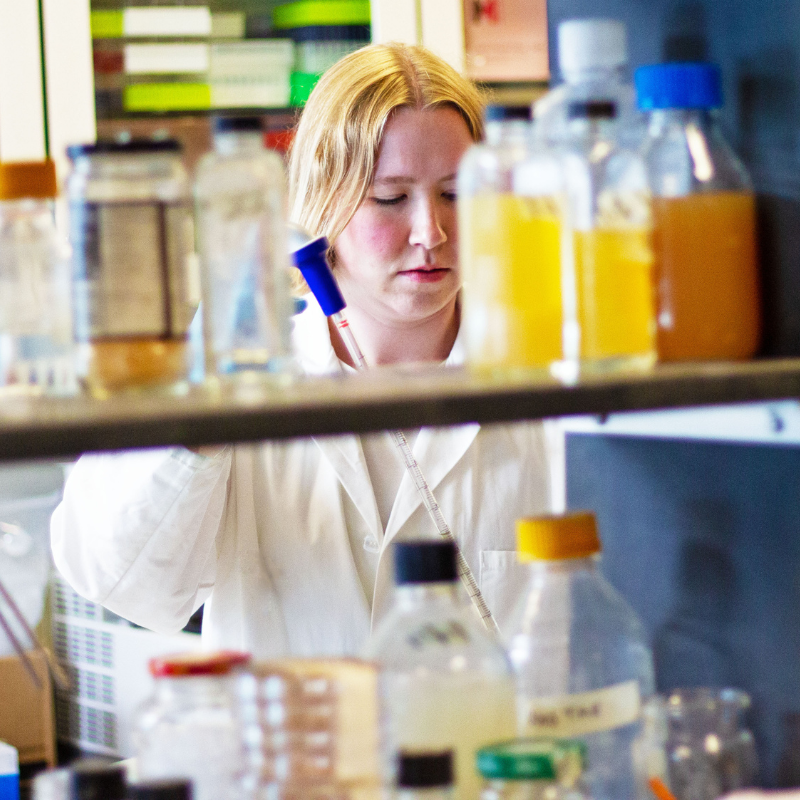
Master of Biotechnology
The Master of Biotechnology program gives you the hands-on science and business skills you need to succeed in a wide range of biotechnology careers. You’ll gain advanced scientific and technical expertise, combined with business training in the commercialization of biotechnology innovations. Plus, you’ll grow academically and personally by interacting with other graduate students, faculty, the wider research community and private-sector companies.

MSc Human Health and Nutritional Sciences
The MSc in Human Health and Nutritional Sciences focuses on physical activity and diet as powerful lifestyle determinants of human health. The program offers advanced experiential learning opportunities in nutritional and nutraceutical sciences, general and exercise physiology, and biomechanics, with a focus on lifestyle, genetics, and human health. Choose to specialize in biomechanics; nutrition, exercise and metabolism; or nutritional and nutraceutical sciences.
Master of Wildlife Biology
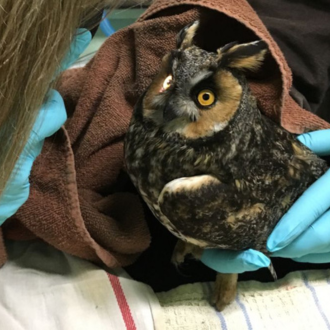
The Master of Wildlife Biology is a new one-year program designed to equip graduates with the academic, technical, and experiential training needed to pursue fulfilling careers in wildlife biology. You will be introduced to the latest techniques and knowledge in wildlife biology and will learn to apply this knowledge to real-world circumstances. Choose to specialize in biomonitoring, wildlife rehabilitation, or wildlife conservation.
Hear From Course-Based Master's Graduates

Biotechnology is a really interesting industry right now, with a lot of up-and-coming research, especially for those interested in work in sustainability, the environment, and climate change. The Master of Biotechnology program really opened my eyes to a range of career opportunities that I didn’t even know to look for. My hands-on experience doing my project at MetaCycler BioInnovations further solidified my passion for this field, providing me with practical skills and insights that have been invaluable in shaping my career path.

I can easily recognize how the University of Guelph’s Master of Bioinformatics program gave me the skills and knowledge necessary to explore the many dimensions of medicine, even now at the outset of my medical career. Prior to beginning the MBINF program, I had very little exposure to statistics, programming, or bioinformatics as a whole; I had just completed a bachelor’s degree in Arts and Science in which I tailored my studies to a future in medicine, oblivious to the impact that the MBINF program would have on my career.

The Master of Wildlife Biology program provided me with invaluable career skills through hands-on workshops and practical experiences that pushed me out of my comfort zone. The program's focus on preparing students for careers in wildlife biology post-graduation was evident in every aspect of the curriculum. I'm incredibly grateful for the lifelong friendships and the wonderful wildlife encounters I had along the way!

The Master of Bioinformatics program taught me several concepts in Bioinformatics, which included programming in R and bash, Next-Generation Sequencing analyses, and statistical methods. Currently, I am a research assistant at the University of Toronto, where I analyze single-cell RNA-sequencing data from control and stroke-induced brains from mice to study the temporal and spatial changes within their transcriptomes. Ultimately, the program prepared me not only for expanding my skills as a bioinformatician, but also prepared me for the workforce and building my career. I am very thankful for completing my master’s degree at the University of Guelph because it prepared me for success.

After working in industry for a couple of years, I started to see the benefit of a well-rounded skill set in both scientific and business disciplines. The Master of Biotechnology program allowed me to develop this valuable skill set through courses taught by professors who have developed their own industry relationships.

I absolutely loved the MWB program! The coursework was both challenging and enriching, and my placement opportunity was invaluable, allowing me to apply what I learned in real-world settings. Beyond the academics, I made incredible friends with my fellow students, creating a supportive and inspiring community throughout the program, which is so important as an international student. It was an unforgettable experience that significantly shaped my professional and personal growth.
Considering Applying?
The admissions process is overseen by CBS's Office of the Associate Dean of Research and Graduate Studies. If you have any questions about the application process in CBS, please visit our Application Process page or contact the CBS Graduate Admissions Assistant.
Below we have summarized the required documents for each program, but please make sure to also review Before You Apply before you begin.