MSc Human Health and Nutritional Sciences
The Master of Science in Human Health and Nutritional Sciences focuses on physical activity and diet as powerful lifestyle determinants of human health. The interaction between genetics and environmental factors, including lifestyle, ultimately determines the health of an individual.
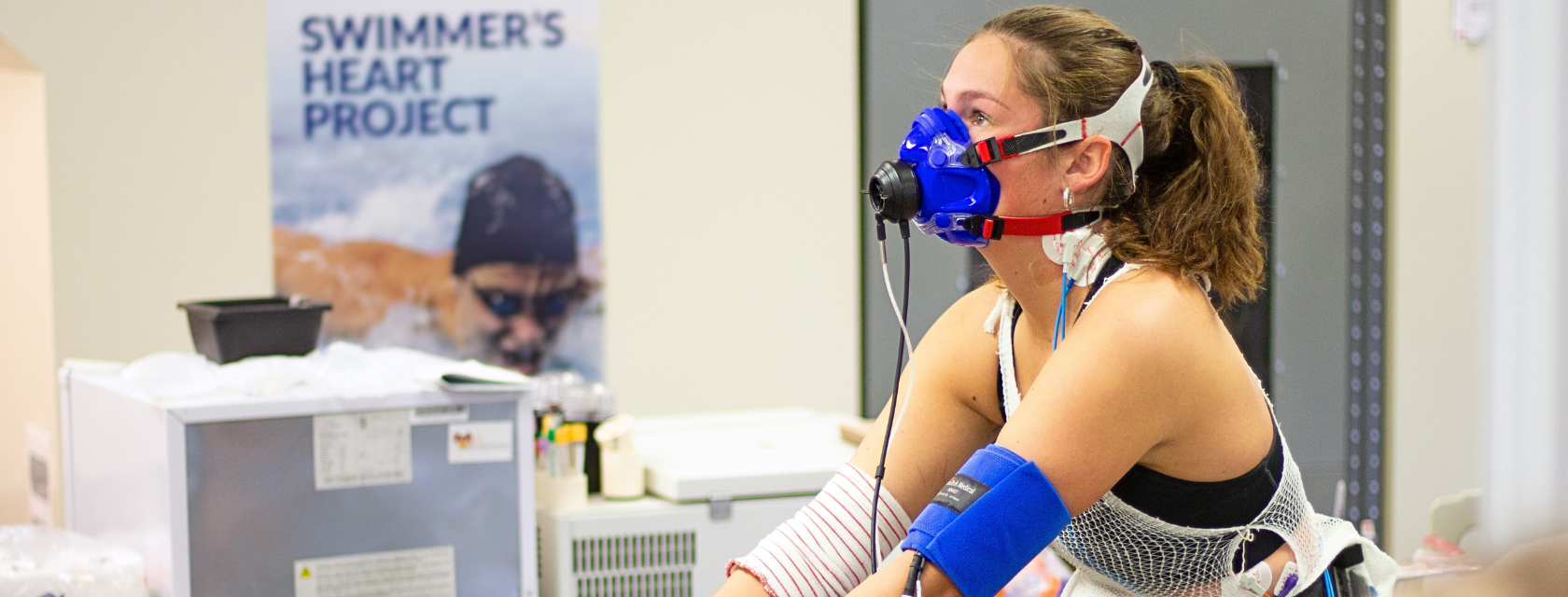
The MSc program offers advanced experiential learning opportunities in nutritional and nutraceutical sciences, general and exercise physiology, and biomechanics and neurophysiology, with a focus on lifestyle, genetics, and health.
The program is ideal for those interested in aging, diabetes, obesity, cardiovascular disease, nutrition and exercise, biomechanics, metabolism, and neuroscience. Graduates end up careers in academia, industry, or professional practice, including in health care.
Degree Details
The Master of Science (MSc) in Human Health and Nutritional Sciences offers two program types — thesis and coursework — designed to align with your research interests and professional goals.
Students in any of the MSc program options may choose one of the following specializations:
- Biomechanics and Neurophysiology
- Nutrition, Exercise, and Metabolism
- Nutrition and Nutraceutical Sciences
Admission is offered for the thesis and major research project options in Fall, Winter and Summer semesters. Admission for the coursework and team-based research project option is only offered for the Fall.
Program Options
Thesis
Pursue independent, original research under the supervision of a faculty advisor. Students complete a minimum of 1.5 graduate credits and defend an acceptable thesis that represents a significant contribution to their research field.
Applicants to the thesis program must secure a faculty advisor prior to submitting their application. Admission may be granted in Fall, Winter, or Summer semesters.
Coursework
Students in the coursework program complete 4.0 graduate credits through advanced coursework and research experiences. The coursework and major research project option requires a faculty advisor, but the coursework with team-based research project does not.
Collaborative Specializations
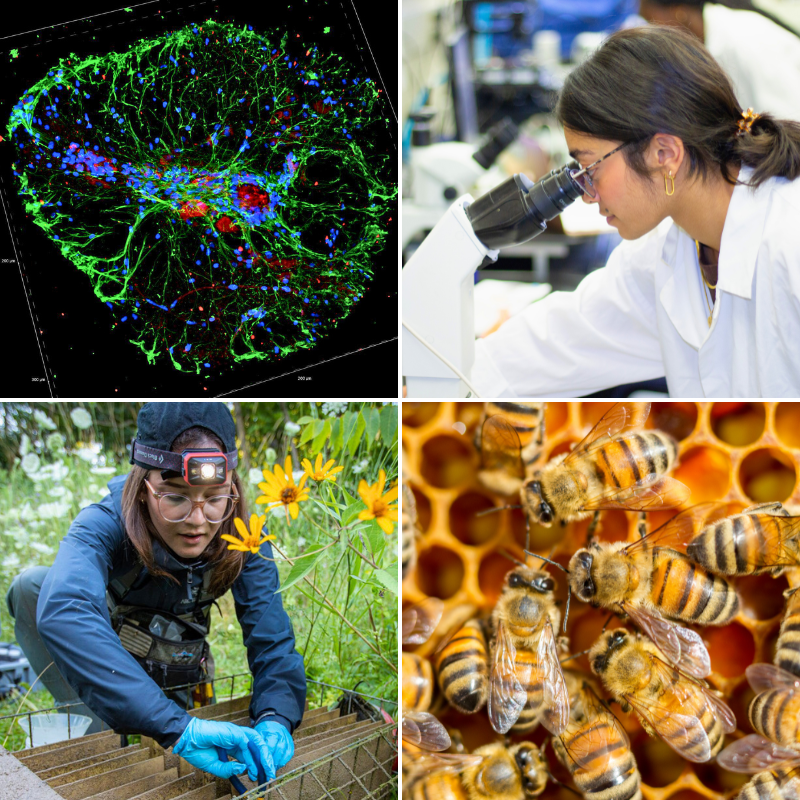
Master of Science in Human Health and Nutritional Science students may also add a collaborative specialization in Toxicology, Neuroscience, Regenerative Medicine or One Health. A collaborative specialization is an intra-university graduate field of study that provides an additional multidisciplinary experience for students enrolled in and completing the degree requirements for an HHNS graduate program.
- #1 in Total Research Dollars
- in Canada for a Comprehensive University (Maclean’s)
- Top 150 in the World
- for Life Sciences (Times Higher Education 2026)
- Top 20% in the World
- for Biological Sciences (QS Top Universities 2025)
- Top 5 in Canada for Life Sciences
- Top 4 for Life Sciences Teaching (THE 2026)

Sample Courses
Please review the Graduate Academic Calendar for a complete list of courses and program requirements.
Hear from MSc HHNS Graduates

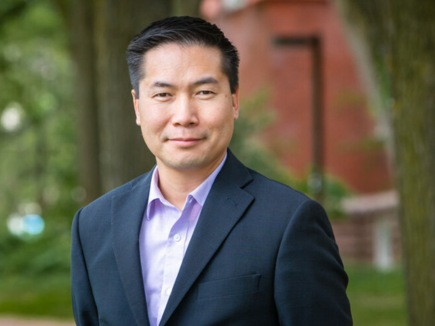
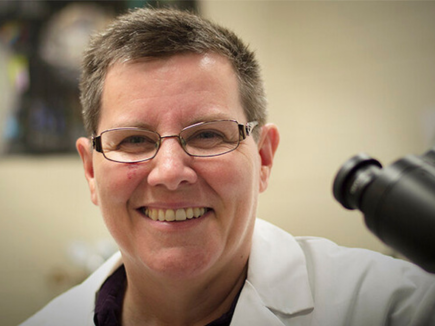
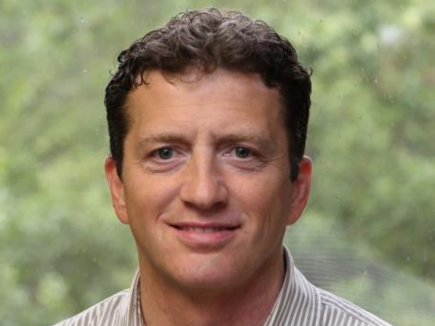
I was interested in the M.Sc. HHNS program as I wanted to combine my scientific knowledge with my passion for health and nutrition. The courses were engaging and covered a wide array of topics. My M.Sc. research experience taught me to adapt and overcome whatever challenges arise during a project. The best part of the HHNS program was the graduate community — the guidance and support from my advisor, professors, and fellow students was invaluable. This program provided me with the skills and confidence to pursue my career goals.

This program provided me with the skills, confidence, and mentorship to explore diverse career opportunities beyond traditional academia and benchside research. Its emphasis on knowledge application and research communication deepened my passion for mobilizing research. Today, I use this skillset to support evidence-based drug policy decisions across Canada, building on the foundational knowledge I gained during this program.

This program combined my love of science and passion for health and nutrition. The variety of courses—including ones that brought business into the mix—helped me build real-world skills through research, collaborative projects, and teaching. Most of all, the mentorship and camaraderie from professors and classmates left me with lasting connections and the confidence to tackle what came next.

We have AMAZING faculty for cardiovascular research, as well as nutrition, exercise and food science. If you're trying to choose universities and advisors, come drop by Guelph and chat to the professors, lab members, and support staff. You'll see the difference yourself and be able to make an informed decision!

I am proud to be a graduate of Guelph. We strive for excellence and are pushing research frontiers. The graduate student community is also tightly knit, which creates a great sense of comradery. Specifically pertaining to my laboratory, we focused on improving the education of undergraduate students, working health-care professionals, and members of the community. Education has become a true passion of mine and I love to see a progression of my students' learning.
Choosing an Advisor
Advisors are required for the thesis and coursework and individual-based major research project, but not for the team coursework option. Check out Before You Apply for helpful advice on identifying and reaching out to faculty members.
- Review current graduate student opportunities in the Department of Human Health Sciences
- Visit our ReSearch CBS database to search by research topic.
- Visit the Graduate Faculty page for a full list of faculty members who work with graduate students.









To be considered, applicants must meet the requirements of a four-year honours science degree with a minimum 75% average during the final two years, or four semesters, of undergraduate study (learn how to calculate your admission average). Applicants should have completed a course in statistics.
Applicants for both the thesis or coursework and individual-based major research project must obtain the support of a faculty member willing to serve as their advisor prior to submitting an application. Those who apply without first finding an advisor will automatically be considered for the team coursework option.
Admission is offered for the thesis and major research project options in Fall, Winter and Summer semesters. Admission for the team coursework option is only offered for the Fall. Completed applications should be uploaded at least one full semester (four months) before the expected date of admission. Applications from international students should be uploaded six to nine months prior to the expected date of admission.
All components of the application, including transcript(s), graduate certificate(s), grading scale(s), English Language Proficiency tests, assessment forms, a statement of interest and the name of the faculty advisor must be uploaded no later than two months after an application is submitted through the OUAC portal. Applications that are incomplete after this time period will be closed.
Contact Us:
Dr. Stephen Brown, Graduate Program Coordinator
519-824-4120 ext. 53651
shmbrown@uoguelph.ca
Mira Jashari, Graduate Program Assistant
519-824-4120 ext. 56356
fjashari@uoguelph.ca
Karen White, Graduate Admissions Assistant
519-824-4120 ext. 52730
cbsgrad@uoguelph.ca