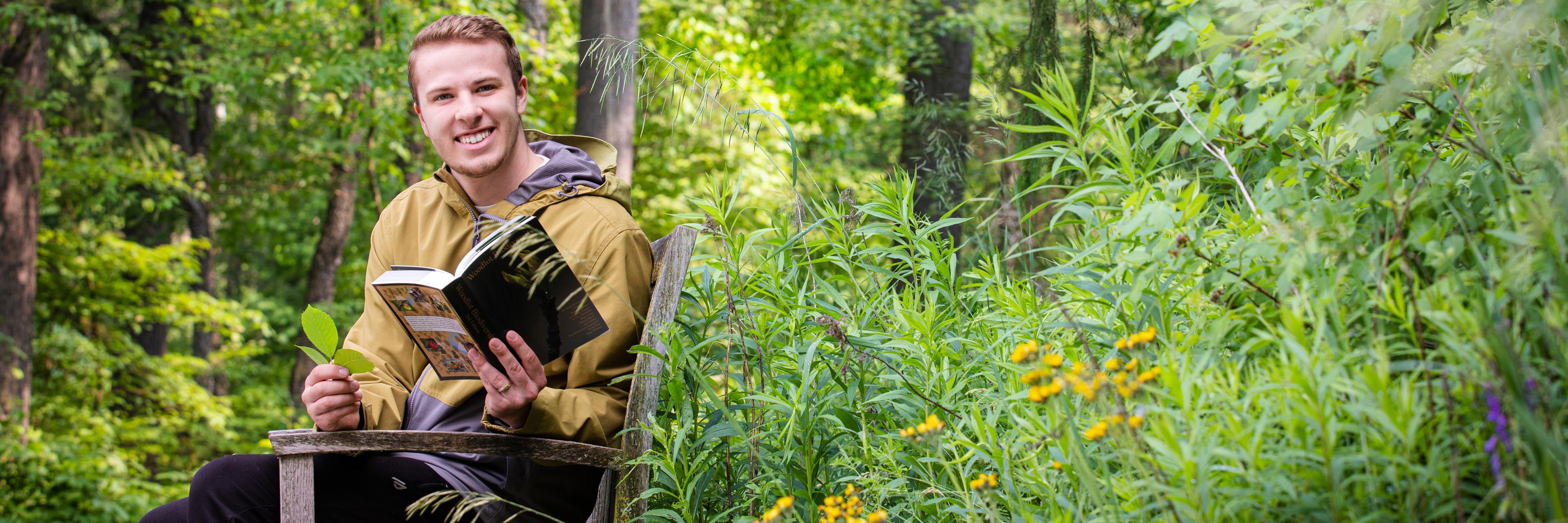
Master of Wildlife Biology
The Master of Wildlife Biology (MWB) is a one-year program designed to equip graduates with the academic, technical, and experiential training needed to pursue fulfilling careers in wildlife biology. You will be introduced to the latest techniques and knowledge in wildlife biology and will learn to apply this knowledge to real-world circumstances.
Our structure allows for flexibility and customization to ensure graduates are well equipped for their individual career paths.
Why Wildlife Biology?
Our Master of Wildlife Biology program will equip you with the understanding and knowledge to solve challenges facing wildlife, society, and ecosystems today, whether you are interested in conservation, consulting, or hands-on wildlife rehabilitation. You will be guided through best practices for conservation management and monitoring wildlife, taught essential science communication skills, and learn in-demand techniques and skills for wildlife biology in the 21st century.
Students can customize their program to suit their personal and professional interests. This program is ideal for international and domestic students seeking academic excellence in an efficient, active, flexible, and individualized learning program. Graduates will be prepared for exciting careers in areas such as government, not-for-profit, environmental consulting, education, and industry.
Degree Details
The Master of Wildlife Biology is a one-year, course-based program (three semesters, or 12 months), starting in the fall semester. Students will complete three core courses, three to four elective courses and a practicum placement in the third semester.
Students will be able to customize their certifications and electives to meet their chosen specialization in one of the following three fields:
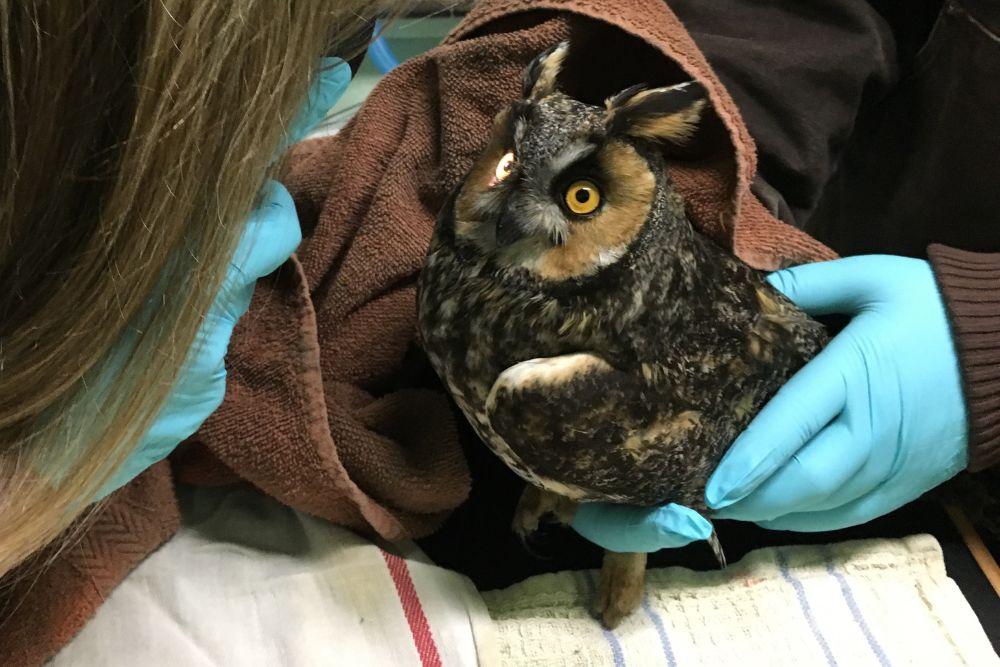
Wildlife Rehabilitation
Wildlife rehabilitation involves the care and management of orphaned, sick, hurt, or otherwise impaired wildlife, with the purpose of restoring their health and increasing their survivability in the wild. Students will gain practical rehabilitation experience, technical skills and hands-on training. This pathway will allow students to seek careers in areas such as wildlife rehabilitation and wildlife non-profit organizations.
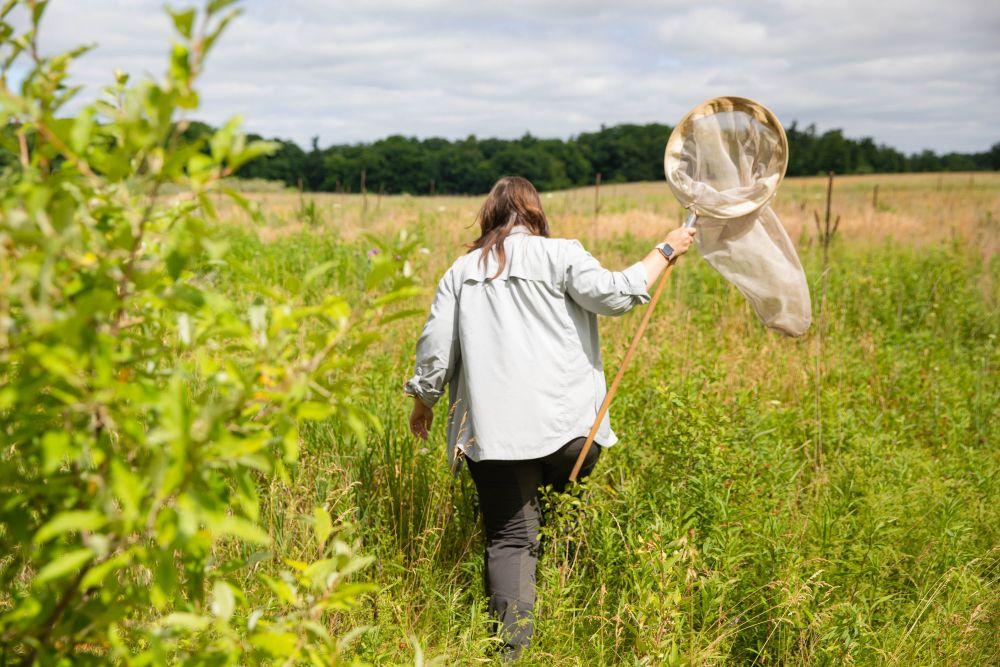
Wildlife Conservation
Wildlife conservation focuses on skills, policy, and procedures that serve to protect and preserve wildlife in Canada and beyond. Students will learn strategies and tools for the preservation of biodiversity at multiple scales and in the context of rapid human-environmental change. This pathway will allow students to seek careers in areas such as environmental consulting and conservation authorities.
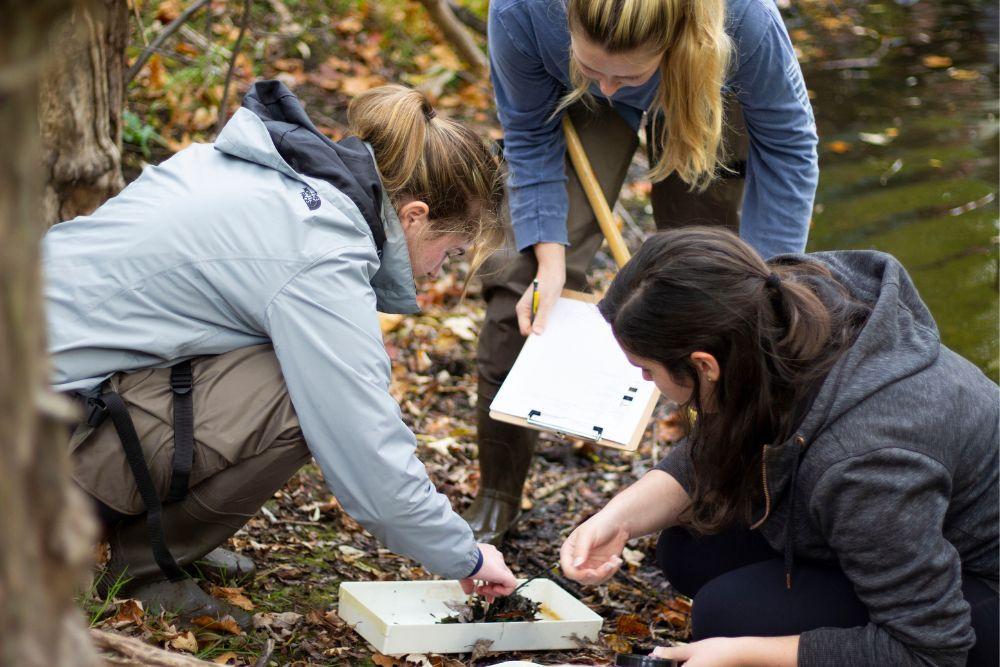
Biomonitoring
Biomonitoring focuses on the observation and assessment of the state of species and ecosystems over time. Students will have the opportunity to learn research methods and technical skills, including statistical analysis, assessment of the health of a population or environment, and monitoring techniques for individual species and whole ecosystems. This pathway will allow students to seek careers in fields such as environmental consulting, environmental governance, and non-profit organizations.
Hands-on Training and Skill Development
As part of this program, students will have the chance to develop personal career goals and seek training in their chosen field. Students will dedicate course time to gaining certifications and training in specific technical skills unique to their desired career path in two major ways:
Independent Pathways Portfolio
Through the Professional Skills and Qualifications in Wildlife Biology course, students will spend three semesters developing an Independent Pathways Portfolio (IPP). Students will work with professionals and course instructors to identify skills and experiences important to their desired careers. Each student will be able to customize their portfolio through a wide range of workshops, certificates and training opportunities relevant to their intended career. The program helps support student training and certification relevant to their Independent Pathways Portfolio.
Practicum Placements
All students will complete either a practicum placement or major research project relevant to their chosen field within wildlife biology in their final semester. The program will help students identify and reach out to wildlife biology organizations that suit each individual student’s career path. Students can also choose to complete a major research project with an academic advisor instead.
Hear from Master of Wildlife Biology grads

The Master of Wildlife Biology program provided me with the knowledge, mentorship, and experience to grow as a wildlife professional. The program’s flexibility allowed me to tailor my learning to my specific career goals. Through courses and workshops, I developed skills in scientific writing, communication, and data analysis, and gained valuable certifications that strengthened my resume. My practicum placement gave me hands-on field experience and helped me discover where I wanted to take my career. I left the program feeling confident and well-prepared to take the next step in my career in wildlife research and management.

The Master of Wildlife Biology program was an incredible experience and one that I feel is vital for promoting and developing the best wildlife practices in Canada. Not only did it allow me to strengthen my practical skills, but it also surrounded me with passionate, knowledgeable faculty, students, and professionals who created a meaningful network of support. I’m grateful to be a part of such a dedicated community and am excited to see how this program continues to shape the future of wildlife biology.

The Master of Wildlife Biology program provided me with invaluable career skills through hands-on workshops and practical experiences that pushed me out of my comfort zone. The program's focus on preparing students for careers in wildlife biology post-graduation was evident in every aspect of the curriculum. I'm incredibly grateful for the lifelong friendships and the wonderful wildlife encounters I had along the way!

It has been a pleasure to be a part of the first cohort of Wildlife Biology master's students. My placement on Fogo Island, Newfoundland working with caribou is an experience I will not soon forget. It has helped me build confidence in my technical abilities and provided guidance on what type of work I am interested in pursuing.

The Master of Wildlife Biology program has been essential in gaining both practical and theoretical experience in my chosen specialization of conservation. My final placement as a bumble bee conservation technician with Wildlife Preservation Canada gave me useful industry connections and additional experience on how to survey and handle species at-risk bumble bees.

This program grants you the opportunity to explore the structure of the overall field through key concepts, hands-on skills and workshops that aim to prepare you for your ideal career path. I am grateful to have developed strong connections with other like-minded individuals who have immense dedication towards the cultivation and sustainability of this field.

The program has not only broadened my horizons in terms of career options but has also fostered a sense of community. Establishing connections with individuals who share a collective desire for success has been a gratifying aspect of this journey. It is truly invigorating to be united with a group of like-minded individuals who share a passion for wildlife biology.
Master of Wildlife Biology Courses
The core courses for the Master of Wildlife Biology program provide a wide baseline of knowledge in wildlife biology, transferrable skills, and experiential learning opportunities. The University of Guelph’s high-ranking position as a leading institution in wildlife biology means that students have a wide range of electives to choose from. Below is a sample of the newly created courses for the MWB program.
For more information, visit the Graduate Academic Calendar.
Frequently Asked Questions (FAQs)
About Us
The Department of Integrative Biology has a strong international reputation for excellence in both teaching and research. With specializations in ecology, physiology, and evolution, and a record of student-integrated research programs, we work together on projects across all scales, from DNA to biomes. Situated within the community of Guelph, we enjoy the benefits of a welcoming community with commitments to improve life in all we do. Learn more about the City of Guelph.
Contact Us
Dr. Sherri Cox
Assistant Professor, Master of Wildlife Biology Program Director
Email: coxs@uoguelph.ca
Phone number: 519-824-4120 Ext. 56826
Kate Artuso
Graduate Program Assistant
Email: cbsib@uoguelph.ca
Phone number: 519-824-4120 Ext. 56097
Karen White
Graduate Admissions Assistant
Email: cbsgrad@uoguelph.ca
Phone number: 519-824-4120 Ext. 52730
Dr. Cortland Griswold
Integrative Biology Graduate Coordinator
Email: cgriswol@uoguelph.ca
Phone number: 519-824-4120 Ext. 56240