Master of Applied Nutrition, Waterloo Regional Health Network Stream
Immerse Yourself in Clinical Nutrition
If you are interested in the Master of Applied Nutrition program and see yourself working as a dietitian in a hospital setting, the Waterloo Regional Health Network Stream (MAN-WRHN) is for you.
The Master of Applied Nutrition is a career-focused program with students gaining 30+ weeks of hands-on experience in practicum placements. The Classic MAN Stream places students with three different community healthcare partners for equal focus on three major areas of dietetics. Students with a strong interest in working in a hospital receive training with more emphasis on clinical rotations in the Waterloo Regional Health Network Stream while completing the same graduate coursework and research components.
Waterloo Regional Health Network Stream students are exposed to several clinical settings within the hospital over the course of a challenging but highly rewarding year. Could this be you?
- 3 semesters
- from September to August
- 37 weeks
- of hands-on experience
- 5 clinical rotations
- at Waterloo Regional Health Network
About Waterloo Regional Health Network
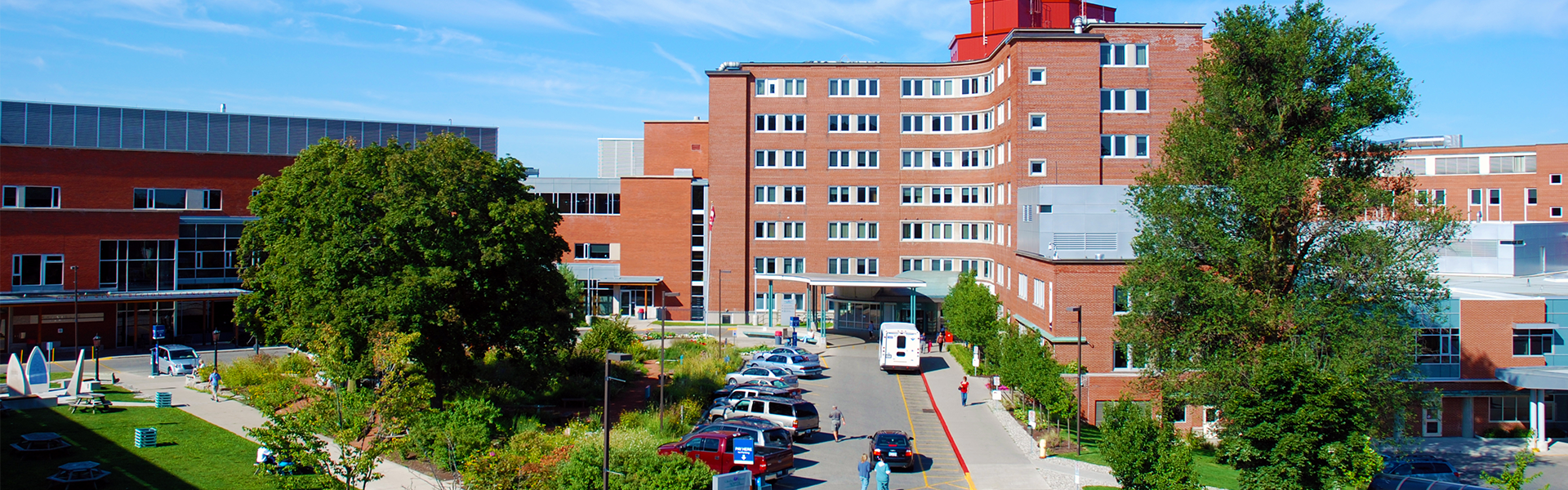
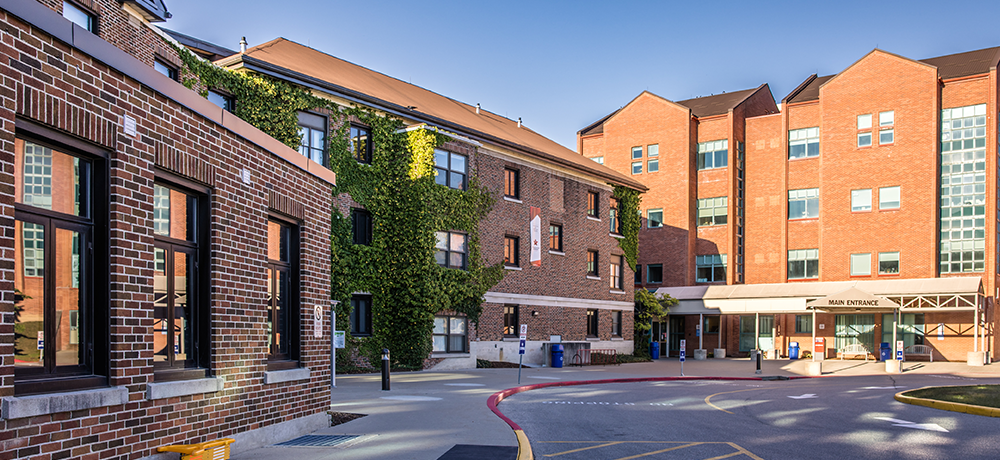
Waterloo Regional Health Network (WRHN, pronounce "wren") is the largest health service provider in Waterloo Region and Guelph-Wellington. As a proud community teaching hospital, WRHN delivers an exceptional learning experience for students in 60+ professional disciplines. Students at WRHN are challenged and stretched during their learning experience, but are never without mentorship and support.
WRHN operates three main campuses in Kitchener-Waterloo as well as several satellite locations.
The Waterloo Regional Health Network Practicum Experience

Nutrition Care
20 + 3 Weeks
As a MAN student in the Waterloo Regional Health Network Stream, you'll complete five different clinical rotations. Each rotation will last four weeks, for a total of 20 practicum weeks focusing on Nutrition Care in a variety of clinical settings.
Your rotations will include a mix of outpatient and inpatient areas, ensuring you gain experience with a wide range of clinical skills, from counselling to nutrition support and everything in between.
Clinical rotations can be scheduled throughout all three semesters of the program. Regardless of your individual schedule, you'll wrap up your year in the program with three weeks of consolidation. Consolidation is an opportunity to return to an area you have previously trained in and practice more independently, while still under the supervision and mentorship of a dietitian.
Throughout your rotations, you'll also meet registered dietitians and other healthcare professionals, not only broadening your horizons for a career in nutrition, but also giving you plenty of networking opportunities.
Between each four-week clinical rotation, you'll have a Flex Week to focus on graduate coursework and prepare for your next rotation.
Sample Clinical Rotations at Waterloo Regional Health Network
- Clinical Teaching Unit (CTU)
- Complex Continuing Care (CCC)
- Diabetes
- Intensive Care Unit (ICU)
- Medicine
- Mental Health
- Oncology
- Pediatrics
- Rehab
- Renal
- Stroke
- Surgery
Food Provision
8 Weeks
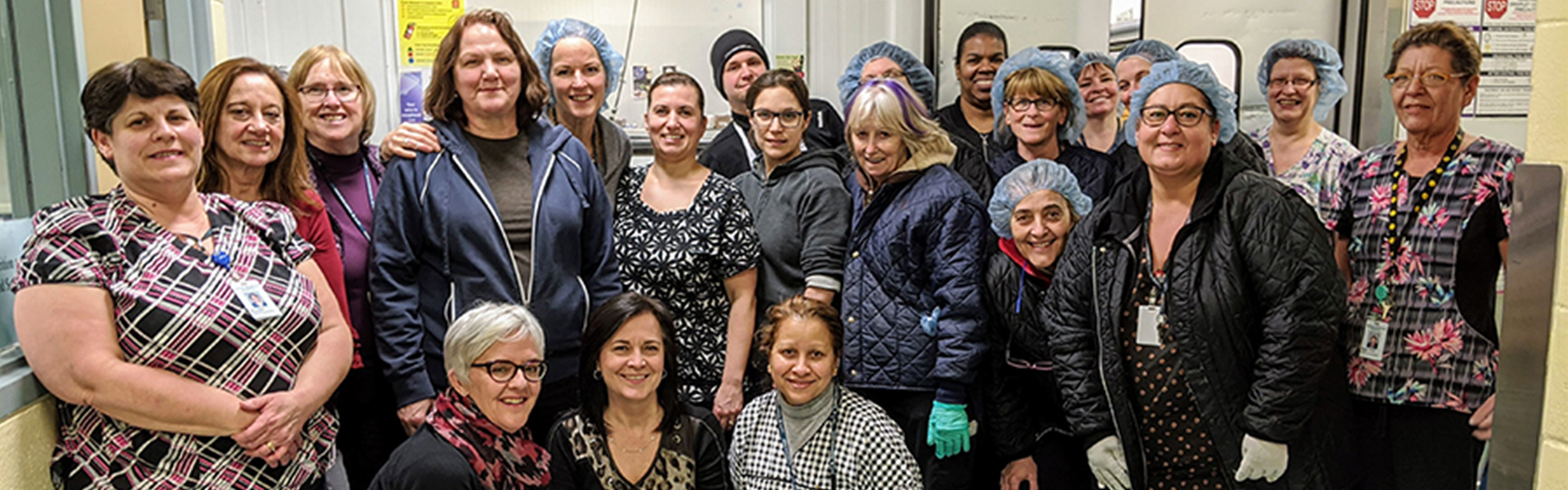
During your eight-week practicum in Food Provision, you'll work alongside the hospital's nutrition and food services team, which is responsible for the management of a centralized cold plating/retherm system that delivers thousands of meals and snacks to patients each day.
While completing your rotation, you'll be introduced to all aspects of food service operations, including food production and distribution, and you'll contribute to managing human and physical resources and finances.
Population Health Promotion
6 Weeks
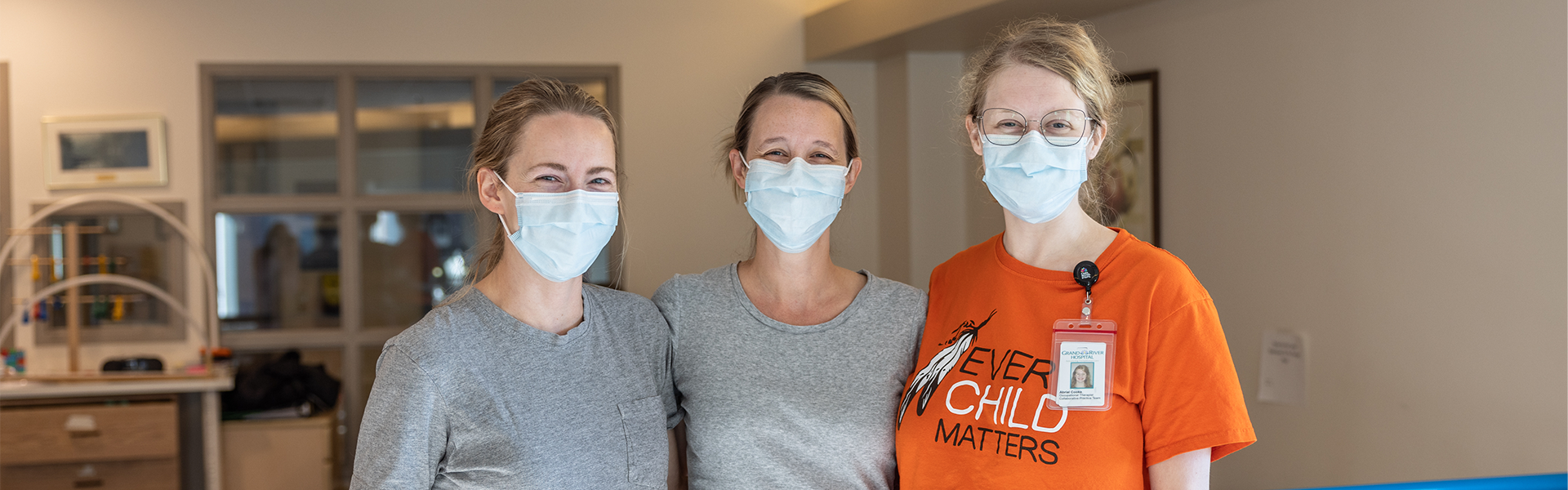
Your six-week practicum in Population Health Promotion will be completed through a community healthcare provider.
Whether you're placed with a public health unit, community health centre or a university wellness program, you'll gain invaluable training on interpreting food and nutrition surveillance data, health status data, and information related to determinants of health and health equality.
You'll learn how to integrate your assessment findings and then identify nutrition-related assets, resources, and needs in order to contribute to a population health plan.
Hear from the Master of Applied Nutrition Community

Katie has been working as a clinical dietitian at Waterloo Regional Health Network since graduating from the MAN-WRHN program in 2020. She works primarily with surgical and hemodialysis patients to provide nutrition care that complements her patients' health care goals.
Katie attributes her ability to work with a diverse group of patients to the variety of clinical exposure that she received as a student in the MAN-WRHN program.
"I would highly recommend the MAN-WRHN program to anyone interested in becoming a clinical dietitian. The variety of clinical exposure, in addition to community placements and supplemental coursework gave me a unique and well-rounded education that set me up for success early in my career as an inpatient dietitian."

During her undergraduate degree, Larissa became interested in working in a hospital setting. The MAN-WRHN program introduced Larissa to a variety of roles for dietitians within acute care and showed her how dietitians are vital members of the interdisciplinary teams that drive patient care in hospitals.
Larissa now works as a dietitian on an acute care medicine unit at Waterloo Regional Health Network, where she conducts nutrition assessments and implements nutrition care plans to support patients during an acute illness.
"I loved the challenge that the program offered me. Every four weeks, I was able to immerse myself in a new area of clinical practice. The variety within the program boosted my confidence when starting my first role as a dietitian."

Whether she's working with university students or hospital patients, Jessica uses the skills she developed in the MAN program to provide nutritional counselling to diverse groups of people.
Since 2017, she has been working as a registered dietitian and wellness manager at Queen's University, where she helps students with unique nutritional requirements, which range from students with food sensitivities to those who follow vegetarian or vegan diets.
She works closely with campus chefs and hospitality staff to provide healthy meals for students that cater to their individual dietary needs.
"I am the go-to person for allergy management. I work with students to help them navigate what they can and can't eat to keep them safe."

Sheree knew that she wanted to become a registered dietitian at an early age and knew MAN was the right program for her because of its focus on experiential learning.
During Sheree's placement at the Tim Hortons head office, she learned about how fast food companies work with nutritionists to meet government food guidelines. She also completed a placement in a family health clinic, where she worked with patients with diabetes, hypertension, and weight issues.
"It was great working with dietitians to see how they interact with different clients, what their counselling style is like and how they convey information. It's a challenging but hugely rewarding program."

Finding a job after graduation didn't take long for Sarah. She was hired by Dalewood Health and Wellness in Toronto just two weeks after graduating from the MAN program.
As a registered dietitian, she conducts initial assessments with clients to learn about their health concerns and develop a nutrition program for them. The MAN program taught her how to assess and counsel clients by asking about their eating habits and other lifestyle factors.
The guidance Sarah received from her preceptors in the MAN program helped build the confidence she needed for her career. "You can tell that they're passionate about their job, and they just want to share that with you and make sure that you get the most out of it."

The MAN program helped Katherine explore her interest in type 2 diabetes prevention and management. As an undergrad, she worked at a diabetes clinic and learned how to manage diabetes through lifestyle changes.
Working with diabetes patients again in her placement solidified Katherine's interest in helping those with the disease.
After graduation, Katherine was hired as a registered dietitian by Loblaw Companies Limited, where she counsels patients with chronic health conditions. She also leads grocery store tours and classes that focus on healthy eating habits.
"Growing up, I always had an interest in health. I've always wanted to help people be healthier."

Careers After Graduation
The hands-on nature of the Master of Applied Nutrition program means you'll be well-prepared for your career as a registered dietitian when you graduate. MAN students graduate with the required competencies to take the national Canadian Dietetic Registration Exam (CDRE) to become registered dietitians.
Registered dietitians work in a variety of settings, including hospitals, community health centres, clinics, long-term care facilities, private practice, government, the food industry, and more.
During your practicum placements, you'll be learning and networking at the same time. Select students in the Waterloo Regional Health Network Stream are often hired to keep working at the hospital after graduation.
Applying to MAN
MAN Webinar
Interested in applying to the Master of Applied Nutrition?
Watch our webinar to learn more about the program and how to apply! We go over the application process, discuss what to expect in the program, and answer your questions!
Get in Touch
Questions about the Master of Applied Nutrition program or the Waterloo Regional Health Network Stream? Contact:
Shauna Porter
Graduate Program Assistant
Department of Family Relations and Applied Nutrition
Email: man.grad@uoguelph.ca