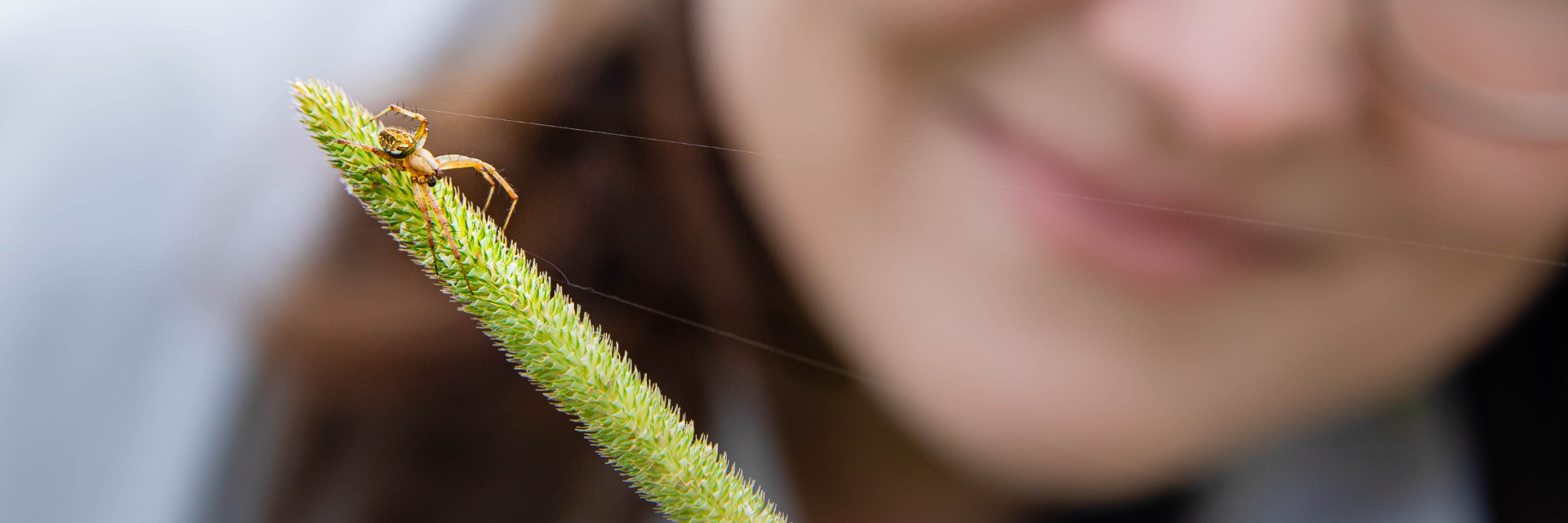
PhD Integrative Biology
The PhD in Integrative Biology at the University of Guelph provides research, training, and scholarship in both plant and animal sciences. Our graduate students study a wide variety of organisms, from microbes to plants and animals, at multiple levels of organizations, from molecules and cells to entire ecosystems.
The Department of Integrative Biology has particular strengths in comparative animal physiology, ecology, and evolutionary biology. Graduate students’ programs are tailored depending on their interests and background.
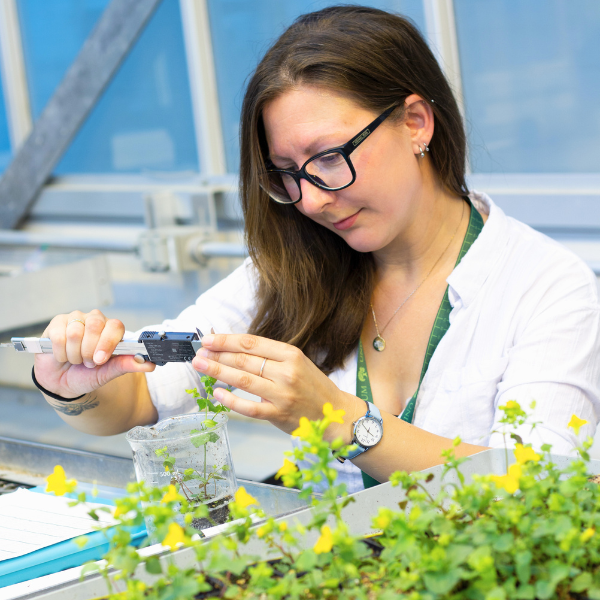
Degree Details
Most of PhD students' time will be devoted to research in fulfillment of the thesis requirement. Students can choose to pursue research in one of three areas:
Ecology
Evolutionary Biology
Comparative Physiology
The three areas of emphasis focus on (but are not restricted to), experimental approaches in field and laboratory settings and a strong linkage between theoretical and applied investigations. Learn about the program’s expected learning outcomes. The department encourages students to pursue interdisciplinary research and take advantage of faculty expertise from across campus.
The department does not require that PhD students with an MSc degree take any courses. Students entering directly into the PhD program are required to take 1.0 course credits, which must include IBIO*6630: Scientific Communication in their first or second semester.
The PhD program requires the successful completion of a qualifying exam and the completion and defence of a research-based thesis.
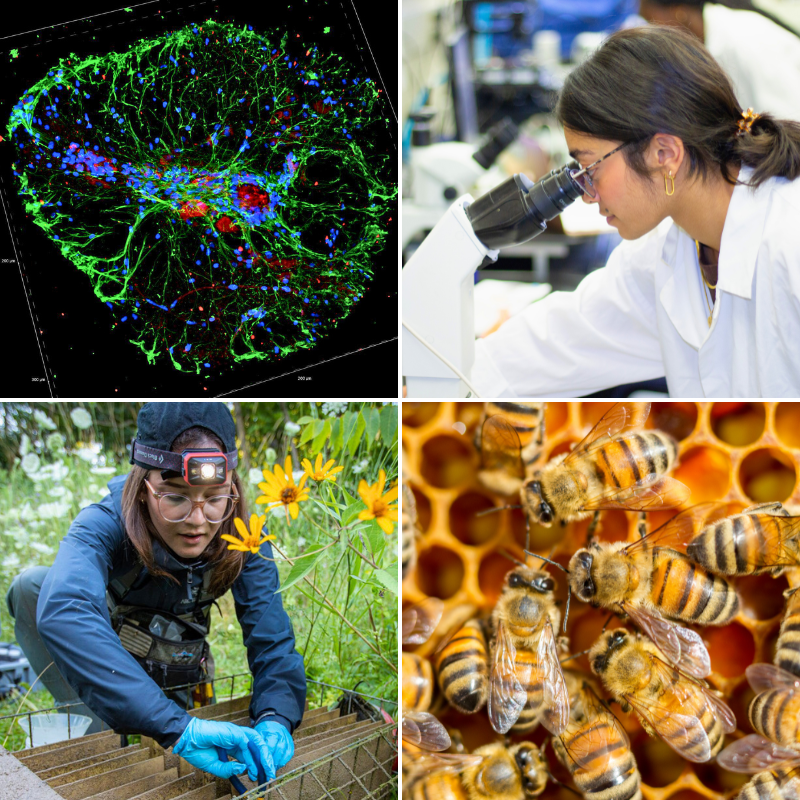
Collaborative Specializations
A collaborative specialization is an intra-university graduate field of study that provides an additional multidisciplinary experience for students enrolled in and completing the degree requirements for an Integrative Biology graduate program. Opportunities for collaborative specializations are available in the areas of Neuroscience, Toxicology, and One Health.
Hear from Students and Graduates

Guelph has an international reputation for housing cutting-edge, well-funded, quality research programs. I chose to apply to study at the University of Guelph with my supervisor, Dr. Sarah Adamowicz, because I know she is an exceptional scientist and well-regarded by every grad student supervised by her. The collaborative nature of my project, which works closely with the Centre for Biodiversity Genomics (also located on campus) and a federal government agency, has been incredible in terms of opportunities.

During my research, I have had the opportunity to work with an interdisciplinary team of biologists, pedagogical experts, computer and data scientists, and software engineers to develop a citizen science project, Squirrel Life, to engage undergraduate students in science and nature in a meaningful way through the (highly entertaining) activity of observing squirrel behaviour. My research involves a combination of elements from citizen science and community-engagement, to the Scholarship of Teaching and Learning, and classic biology and ecology. A critically important part of my grad program has been having supportive advisors. Dr. Shoshanah Jacobs and Dr. Karl Cottenie have succeeded in providing a safe and engaging environment where I can challenge myself, explore my research interests, and actively work towards future goals.

Due to the scholarships and many opportunities the University of Guelph has provided me with during my MSc, I can think of no better place my skills and career goals align with than at the university. Further, the research project I am determined to complete with Andrew MacDougall involves the extensive farm network (ALUS) with which he and others in the College of Biological Science have strong ties. My advisor is a mentor and motivator to me. Since I have completed my MSc in his lab, he knows more of my strengths and weaknesses and continues to help shape and advise me to making good research choices and career goals.
Choosing an Advisor
Check out Before You Apply for helpful advice on identifying and reaching out to faculty members.
Review current graduate student opportunities in the Department of Integrative Biology.
Visit our ReSearch CBS database to search by research topic.
Review the full list of graduate faculty or search for faculty by area of research:
PhD applicants require an MSc (or equivalent) in a related area, including integrative biology, ecology, evolution, marine and freshwater biology, biochemistry, cell biology, and molecular biology and genetics, with minimum academic standing of A- (80%) in their postgraduate studies, and the endorsement of a potential thesis advisor.
Under exceptional circumstances, admission directly to a PhD program with an appropriate honours degree alone or transfer from MSc to PhD program without completing the MSc thesis requirements, is also possible.
Contact Us
Dr. Cortland Griswold, Graduate Program Coordinator
519-824-4120 ext. 56240
cgriswol@uoguelph.ca
Kate Artuso, Graduate Program Assistant
519-824-4120 ext. 56097
cbsib@uoguelph.ca
Karen White, Graduate Admissions Assistant
519-824-4120 ext. 52730
white@uoguelph.ca